CBT-I for Insomnia
Virtual Therapy in California
In-Person in Roseville, CA

“Insomnia is not just about trouble sleeping; it’s about how that lack of sleep affects your life in a chain reaction of problems.”
– Dr. Colleen E. Carney
Being stuck feeling “tired but wired” is exhausting.
You have so much to do with work, family, and in the household. You find you can’t even nap to get caught up on the rest you need. No matter what you do, you can’t get quality sleep.
When will it stop?
Either the medication isn’t working, or you would prefer not to use sleep medications at all. Sleep hygiene isn’t working. You’ve even tried blue light glasses, but those aren’t working either.
You wish you could just get some sleep. This isn’t supposed to be so hard.

But what if you can stop tossing and turning?
Imagine the dark circles - gone.
Laying down for sleep, only to become wide awake - gone.
No longer feeling worried about how long it is going to take to fall asleep tonight, or thoughts like:
“If I can’t sleep tonight, tomorrow will be so much worse.”
You finally feel rested and are no longer afraid of bedtime.
You deserve this and it is possible.
How does this relief happen?
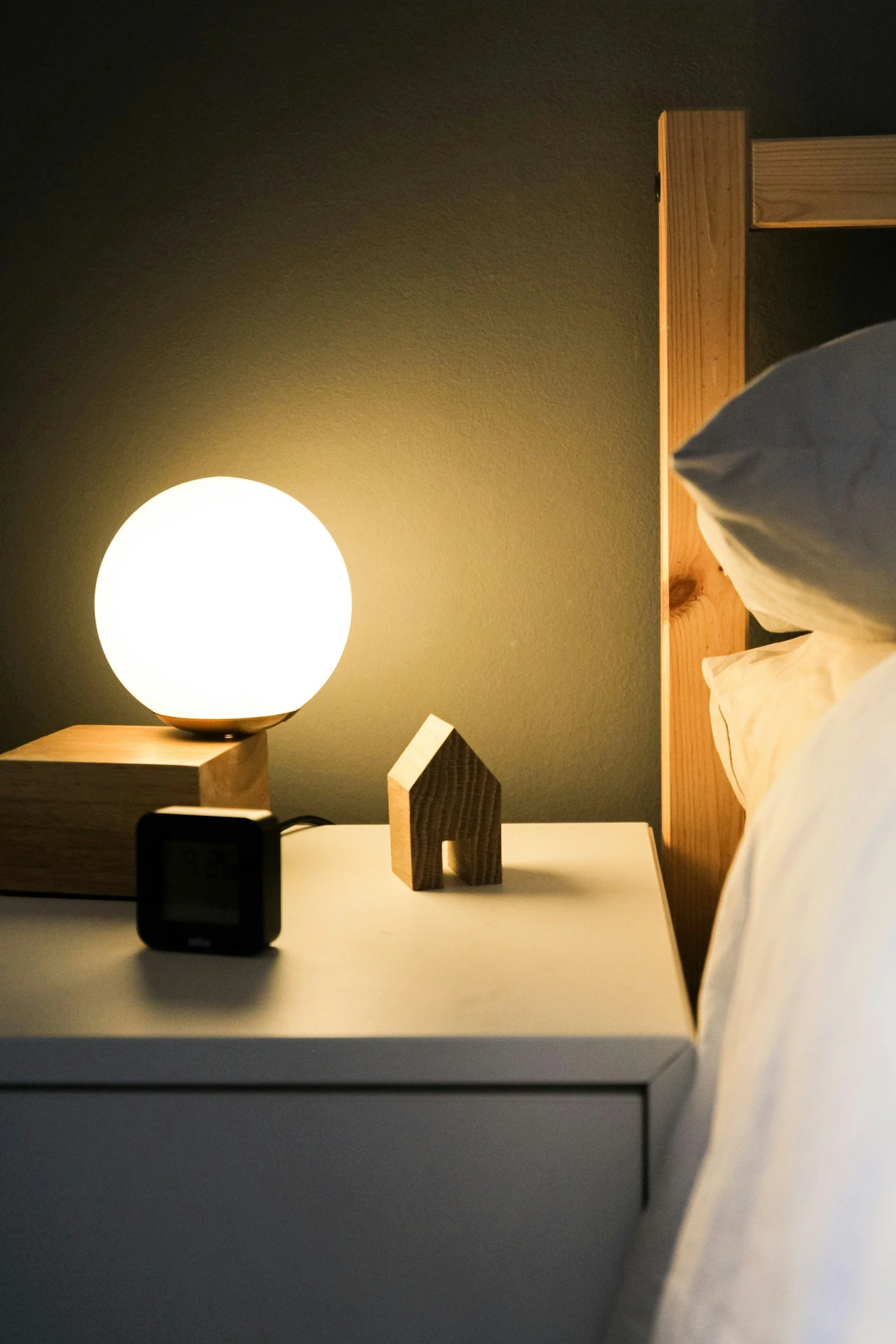
The fantastic thing about insomnia is that CBT-I is very effective. The first step will be to assess for insomnia, screen for sleep apnea, and start sleep tracking.
I’m also going to be honest, the first 2 weeks are going to be rough because treatment does typically start with limiting time in bed. This initially does lead to feeling MORE tired, but this is what we want. The purpose is to increase the sleep drive so you can actually fall asleep within 10 minutes.
This method is designed to only take 4 sessions, attended bi-weekly, over 8 weeks. Typically sleep is already improving by the 2nd session. These are measurable, clear results.
The method I use? CBT-I
For insomnia we will:
1.) Use a Sleep Diary to track sleep every day
2.) We will fix the three underlying issues that cause insomnia, not just treat symptoms.
Who this type of therapy is for:
→No matter what you try, it takes forever for you to fall asleep at night.
→Even if you’re in bed for 10 hours, you’re still tired.
→Sleep medications help, but you want to get off them.
→Sleep medications DON’T help and you need something more.
→Your sleep issues are causing you problems.
→You’re willing to do the required daily Sleep Diary tracking for the full course of treatment (about 8 weeks).
Frequently Asked Questions
-
Insomnia is trouble falling asleep, staying asleep, or getting good-quality sleep. Even when you have time to rest, your body and mind may not “shut off.”
People with insomnia may feel:
Tired during the day
Foggy or unfocused
Irritable or moody
Frustrated at bedtime
Worried about sleep
Insomnia is common, and it can be treated.
-
Many things can lead to insomnia, including:
Stress and anxiety
Depression
Busy or changing schedules
Too much screen time at night
Racing thoughts
Worry about not sleeping
Over time, poor sleep habits and fear of bedtime can make insomnia stronger. Therapy helps break this cycle.
-
Yes. Therapy, specifically CBTi, is one of the most effective treatments for long-term insomnia.
Research shows that many people sleep better with therapy than with sleep medicine alone. Therapy helps you fix the habits and thoughts that keep insomnia going.
-
CBT-I stands for Cognitive Behavioral Therapy for Insomnia. It is the gold standard treatment for sleep problems.
CBT-I helps you:
Build healthy sleep routines
Calm nighttime worries
Reset your body clock
Sleep more deeply
Feel more confident at bedtime
It is safe, structured, and backed by science.
-
In CBT-I, you will learn simple tools such as:
Setting consistent sleep and wake times
Changing unhelpful sleep thoughts
Reducing time awake in bed
Creating a calming bedtime routine
Improving your sleep environment
These skills train your brain to connect your bed with rest instead of stress.
-
Some people use sleep medicine short-term. Others prefer therapy alone.
CBT-I works without medication and teaches lifelong sleep skills. If you are using medication, therapy can still help improve your sleep naturally.
If needed, I can support you in working with your doctor.
-
Most people see improvement within a few weeks to a few months.
Results depend on:
How long sleep problems have lasted
Daily habits
Stress levels
Practice of skills
We will move at a pace that feels supportive and realistic for you.